

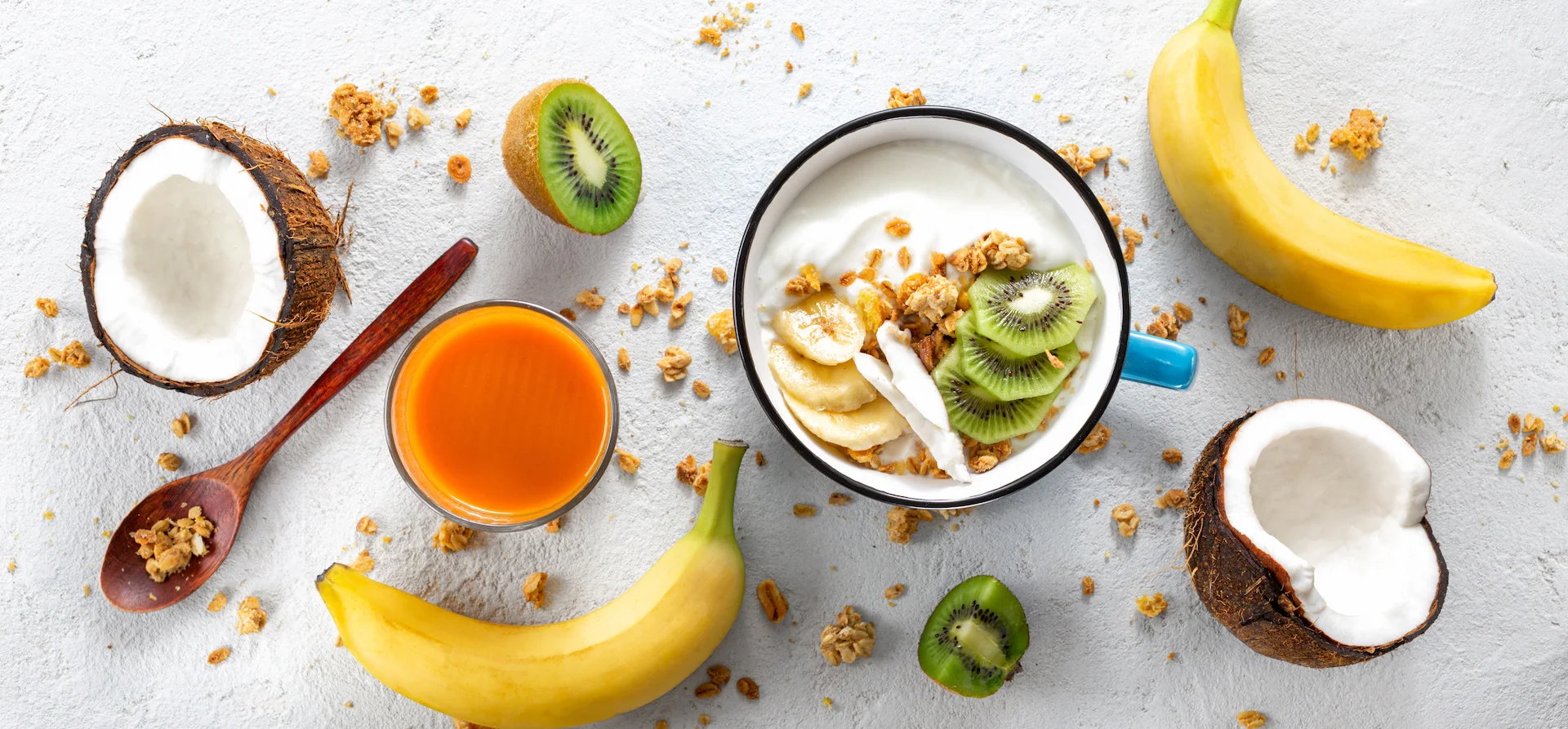
Salads, smoothies, whole grains… and your clothes feel a little tighter.
That disconnect feels confusing. Healthy eating is supposed to lead somewhere better, yet the result doesn’t match the effort.
There’s a common assumption that “healthy” automatically equals “weight loss.” It sounds logical, but it skips over a few important details that often go unnoticed.
Let’s break down what’s really going on.
Healthy Doesn’t Always Mean Light
Many foods earn a healthy label because of their nutrients, not their impact on body weight.
Avocados, nuts, olive oil, and granola are great examples. They support overall health, but they are also dense in energy. A small portion can carry more calories than expected.
That doesn’t make them bad choices.
It simply means portion size matters more than most people think.
A handful of nuts can easily turn into two or three without much thought. A drizzle of olive oil can quietly double the energy in a meal. These small additions add up across the day without feeling like “extra.”
When “Clean Eating” Becomes Misleading
The idea of eating clean often creates a sense of safety around food choices.
Whole, unprocessed foods feel like they should come without limits. That mindset can lead to larger portions without much awareness.
It’s easy to assume that if something is natural, it won’t affect weight in the same way.
That assumption causes problems.
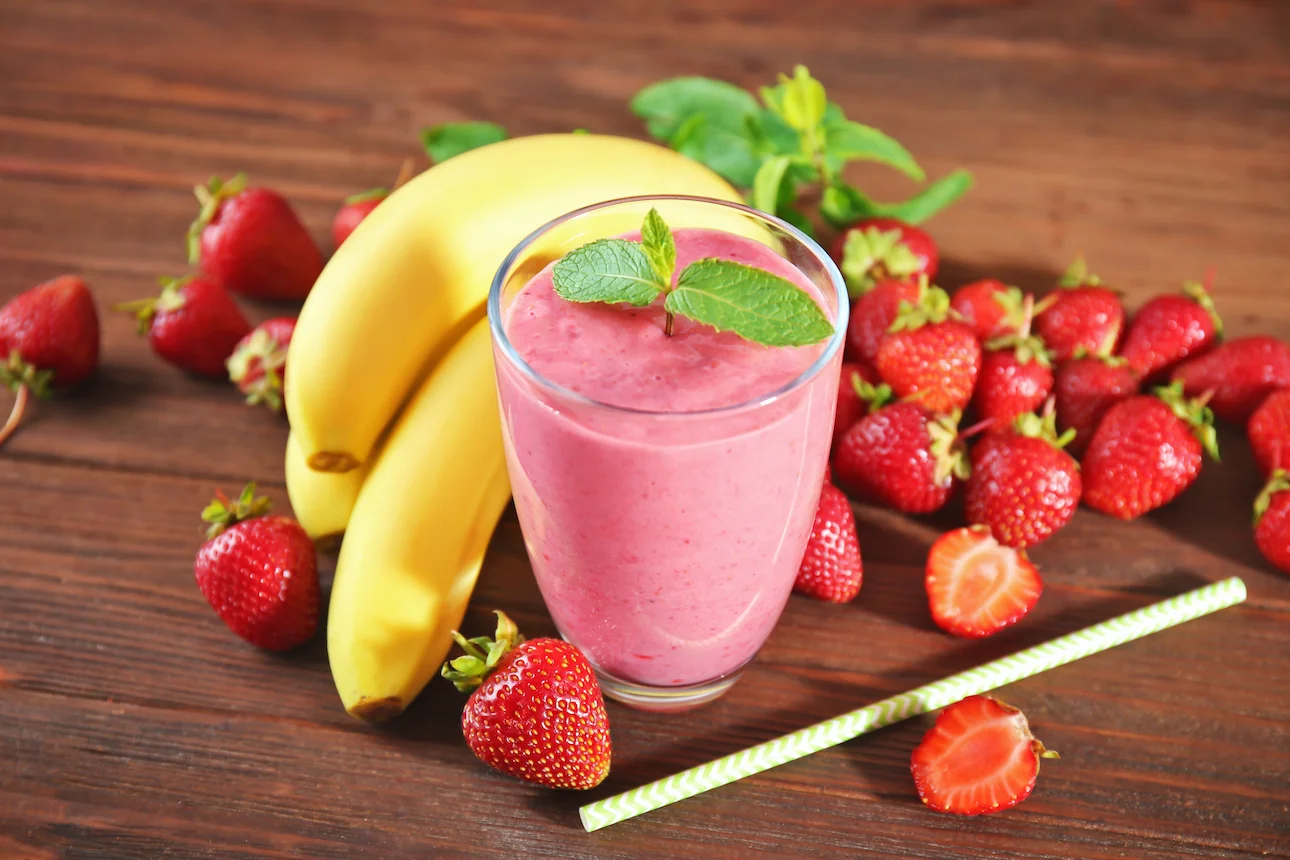
A homemade smoothie with fruit, nut butter, and oat milk can contain as much energy as a full meal, sometimes more. Yet it feels lighter because it’s made from wholesome ingredients.
The body doesn’t separate food into “clean” and “unclean.” It responds to the total amount consumed.
Feel like you’re doing everything right but something’s off?
There’s a reason healthy eating doesn’t always lead to the results you expect.
Liquid Calories Are Easy to Miss
Drinks rarely feel like food, which makes them easy to overlook.
Smoothies, juices, specialty coffees, and even some plant-based drinks can carry a surprising amount of calories. Since they don’t require chewing, they don’t always create the same sense of fullness.
That means it’s possible to drink a large portion of daily intake without feeling satisfied.
A green smoothie might seem like a perfect healthy choice, but if it includes multiple fruits, nut butter, and sweetened milk, it can quickly become calorie-heavy.
Water, black coffee, and unsweetened tea behave very differently in comparison.
Portion Creep Happens Quietly
Portion sizes tend to grow over time without much awareness.
A bowl becomes slightly fuller. A snack becomes a habit rather than a choice. Measuring once turns into estimating later on.
These shifts feel small in the moment.
Over time, they create a noticeable difference.
Restaurant portions also play a role. Even healthier menu options can be served in large amounts, often designed to feel generous rather than balanced.
Without realizing it, meals start to reflect those larger portions at home as well.
“Healthy” Snacks Add Up Fast
Snacking isn’t a problem on its own.
The issue comes from how easy it is to stack multiple small snacks throughout the day.
Protein bars, trail mix, rice cakes with toppings, yogurt bowls… each one seems reasonable. Together, they can exceed what the body actually needs.
Snacks often feel harmless because they are smaller than meals.
But frequency matters just as much as size.
A few extra bites here and there can push daily intake higher than expected.
Labels Can Be Misleading
Marketing language shapes perception more than most people realize.
Words like “organic,” “natural,” “gluten-free,” and “low sugar” create a sense of trust. They suggest a product is aligned with health goals.
That doesn’t always reflect the full picture.
A gluten-free cookie is still a cookie. A protein bar can still contain added sugars and fats. A low-sugar product might compensate with higher fat content.
Reading labels with a bit more attention can reveal what’s actually inside.
Eating well isn’t the full picture
If your results don’t match your effort, there’s a deeper explanation most people overlook.
Cooking Methods Change Everything
The way food is prepared can significantly shift its impact.
Grilled chicken and fried chicken start with the same ingredient, but the final result is very different. Oils, sauces, and cooking techniques can add a large amount of calories without changing how “healthy” the meal seems.
Even home cooking can include more oil than intended.
A quick pour into a pan can easily exceed a tablespoon, especially without measuring.
That one detail alone can add hundreds of extra calories across meals.

Healthy Eating Without Awareness
Healthy choices matter, but awareness ties everything together.
Without some level of attention, it’s easy to lose track of how much is being consumed. This doesn’t mean tracking every detail forever.
It means having a general sense of balance.
Paying attention to portion sizes, noticing patterns, and staying mindful during meals can make a noticeable difference.
Awareness doesn’t need to feel restrictive.
It simply adds clarity.
The “Halo Effect” Around Healthy Foods
There’s a psychological effect where healthy foods feel like they come with fewer consequences.
This often leads to eating more than intended.
A study published in health psychology research found that people tend to underestimate calorie content when foods are labeled as healthy. That perception changes behavior without conscious awareness.
That’s the tricky part.
It doesn’t feel like overeating.
It feels like making good choices, just more often or in slightly larger amounts.
Balance Beats Perfection
Trying to eat perfectly often creates blind spots.
Focusing only on food quality while ignoring quantity can lead to results that feel confusing.
A balanced approach tends to work better over time.
Meals that include protein, fiber, and some healthy fats help with satisfaction. Portion awareness keeps things aligned with goals. Flexibility makes the process easier to maintain.
Perfection isn’t required for progress.
Consistency is.
Small Adjustments Make a Big Difference
Big changes aren’t always necessary.
Often, it comes down to a few small adjustments:
- Slightly reducing portion sizes
- Being mindful with calorie-dense foods
- Paying attention to liquid intake
- Keeping snacks intentional rather than automatic
These shifts don’t feel drastic, but they add up in a meaningful way.
Over time, they create a clearer connection between effort and results.
Putting the Pieces Together
Eating healthy is a powerful foundation.
But it doesn’t automatically guarantee weight loss.
Food quality and quantity work together, not separately. When both are aligned, results start to make more sense.
A few small insights can turn confusion into clarity.
And once that clarity is there, progress feels a lot more predictable.
Ready for a clearer way forward?
Learn why eating less can stop working and what actually helps you move in the right direction.