

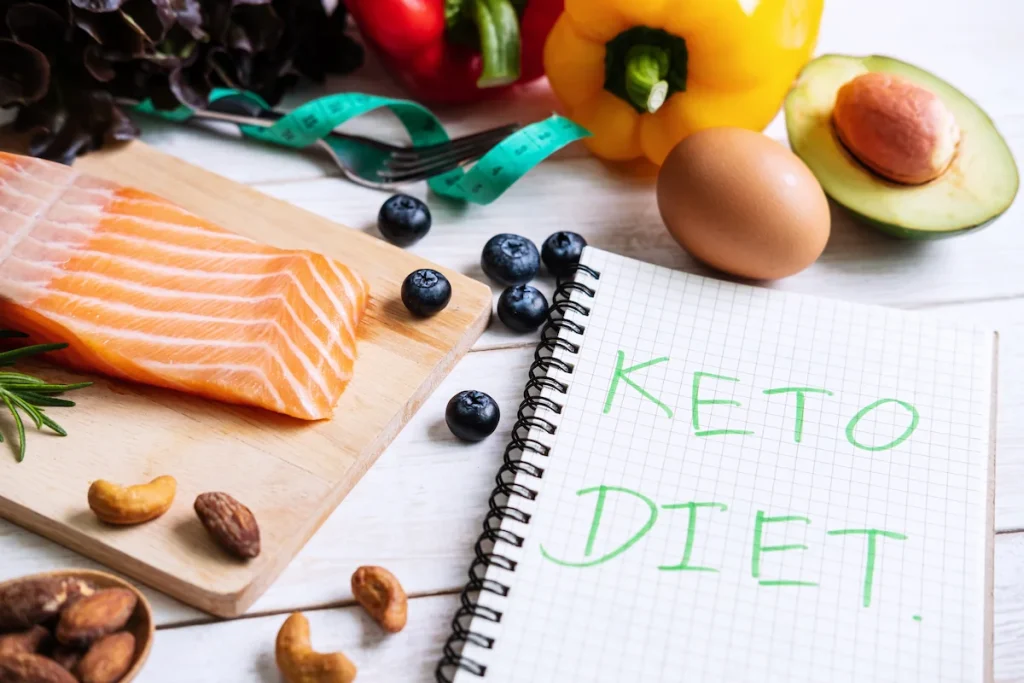
Starting keto changes some familiar meal choices. Bread, pasta, rice and many convenience foods are usually limited, so deciding what to eat can take more thought at first. Without a plan, you may reach lunchtime with nothing suitable ready or find yourself relying on the same few meals.
A simple meal plan helps you decide what to cook before the week gets busy. It can reduce last-minute choices, make better use of ingredients and help you keep meals varied. You do not need to plan every bite or prepare seven days of food in one session. The aim is to create a routine that fits your schedule and makes it easier to stay within your chosen carbohydrate target.
What Makes a Balanced Keto Meal?
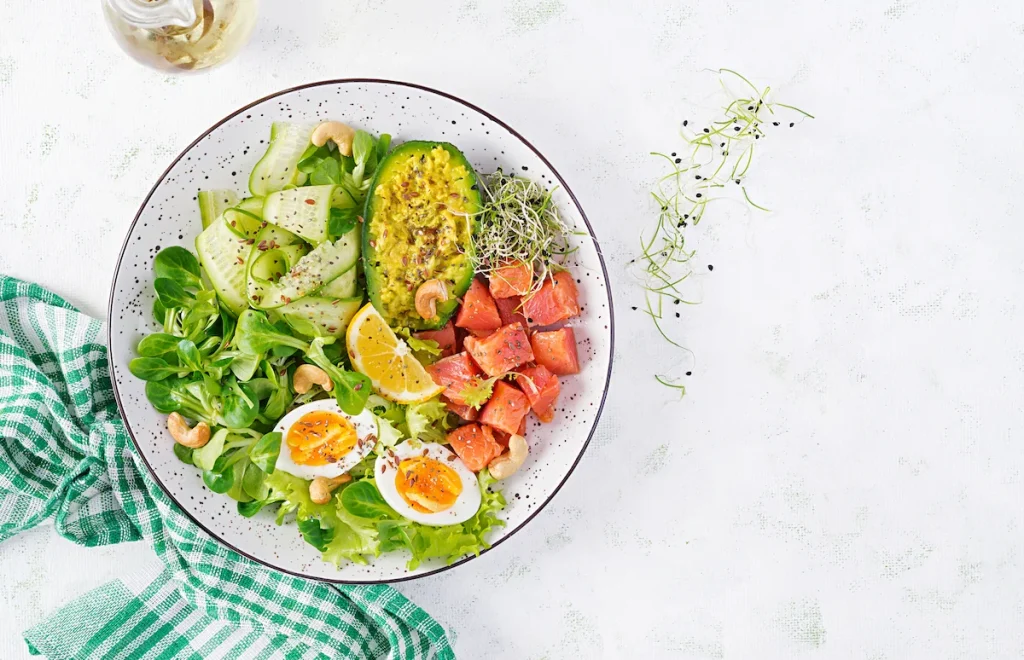
A balanced keto meal includes protein, low-carb vegetables and a source of fat. The portions depend on your appetite, energy needs and nutrition goals. Combining these foods gives you a filling meal with a range of nutrients.
Protein helps make meals satisfying and supports the maintenance of muscle. Suitable protein sources include eggs, chicken, turkey, beef, pork, fish, seafood and tofu. Choose foods that suit your preferences and budget. Check labels on packaged meats because some products contain added sugar, starch or sweet sauces.
Low-carb vegetables provide fiber, vitamins, minerals and variety. Broccoli, cauliflower, spinach, lettuce, zucchini, cabbage, asparagus, mushrooms and green beans can all fit into many keto meal plans. Fresh, frozen and plain canned vegetables all work well. Check canned products for sauces or other additions that may raise their carbohydrate content.
Fat adds flavor and contributes to the meal’s energy content. Olive oil, avocado, nuts, seeds, butter and cheese are common options. Use olive oil in a dressing, add avocado to a salad or cook vegetables with a little butter. You do not need to add large amounts of fat to every meal. Choose portions that fit your appetite and overall nutrition needs.
Grilled chicken with roasted broccoli and olive oil combines protein, vegetables and fat. Scrambled eggs with spinach and avocado make another easy combination. Different herbs, spices and vegetables help keep familiar meals interesting.
Carbohydrates can add up across a meal. Check serving sizes and total carbohydrates on packaged foods rather than relying on claims such as “keto-friendly” or “low-carb.” A package may contain more than one serving.
Decide How Many Meals to Plan
Begin with the eating pattern you already find comfortable. Some people prefer three meals a day. Others usually eat two larger meals, or have a small breakfast followed by a more substantial lunch and dinner. Plan around the times you normally eat and the meals you have time to prepare.
Think about when you eat breakfast, where lunch comes from and how much time you have for dinner. If you buy lunch near work, you may only need to plan breakfasts and dinners.
Think about whether you usually need snacks between meals. Some people rarely need them when meals are satisfying. Others like to have an option ready for a long workday or a gap between meals. Cheese, a boiled egg, a small portion of nuts or plain Greek yogurt may fit, depending on the serving size and your carbohydrate target.
If you often feel hungry between meals, check whether your main meals contain enough protein and satisfying portions.
You do not have to plan every meal for all seven days. You might plan weekday dinners and prepare a few lunches ahead, then leave weekends more flexible. You are more likely to stick with a plan that works around your usual eating habits.
Build a Realistic Weekly Meal-Planning Routine
Spend 15 to 20 minutes planning before the start of each week. Use a calendar, notebook or notes app to match meals to your commitments and check which ingredients you need.
1. Review the week ahead
Check your work hours, appointments, family commitments and days when you will be away from home. Mark evenings when cooking time will be limited. Note any meals that are already arranged, such as lunch meetings or dinner plans.
A late meeting may call for leftovers or a quick meal. A quieter evening could be a good time to cook extra portions for another day.
2. Choose meals for the days that need them
Write a meal beside each day that needs planning. You do not need a different dish every time. Repeating a breakfast or lunch can reduce preparation, and a larger dinner can provide another meal.
Use familiar dishes for busy days. Save unfamiliar recipes for evenings when you have time to check the instructions and prepare the ingredients.
3. Reuse ingredients across meals
Buy ingredients that can be used in more than one dish. A bag of spinach might go into eggs one morning and a salad later in the week. Cooked chicken could be served with vegetables at dinner, then added to a lunch salad.
Give each ingredient a clear role in the plan. Buying a large quantity for one recipe can leave food unused, especially if the ingredient does not suit other meals.
4. Make sure the week’s meals are practical
Check that the week includes different proteins and vegetables, and that several time-consuming meals do not fall on the same days. Leave one meal open or keep ingredients for a quick backup.
Take the Guesswork Out of Keto Meal Planning
Spend less time deciding what to eat and more time enjoying your meals. The Ultimate Keto Meal Plan gives you a ready-made plan to help organise your meals and make following keto easier.
Plan Around Your Schedule
Work hours, travel and family commitments can determine when and where you can prepare meals. Plan for the days when cooking at home is harder.
Busy weekdays
Choose meals that need little preparation on evenings when time is tight. Keep washed salad greens, frozen vegetables and cooked protein available where possible. Eggs with spinach and avocado can make a quick meal with very little cooking.
Cook extra portions on a quieter day so dinner takes only minutes to assemble.
Work away from home
Decide which meals you will take with you and how you will store them. Chicken salad, boiled eggs or tuna can be packed in a suitable container. Keep dressings separate until lunchtime if you want the vegetables to stay crisp.
Use an insulated lunch bag with a cold pack if there is no refrigerator. Check restaurant menus in advance when you expect to buy lunch.
Limited time in the evening
Avoid planning a meal with several cooking steps when you know you will arrive home late. Keep ingredients ready to combine, such as cooked chicken, frozen broccoli, bagged salad or eggs. Pair eggs or cooked chicken with vegetables for a quick meal.
Deciding on dinner earlier can reduce last-minute food choices.
Cooking for other people
You may not need to make a separate dinner. Prepare a shared main dish, such as roasted chicken, burgers without buns or baked fish, then offer sides to suit different preferences.
Everyone can share the protein and vegetables. Other family members can add bread, rice or potatoes if they want them. Check sauces, marinades and seasoning mixes for added sugar or starch before serving.
Days when you have more time
On a quieter day, roast vegetables, cook chicken or make a dressing. Those prepared ingredients can become the starting point for another meal.
Make Keto Meal Preparation Easier
Preparing a few ingredients in advance can cut down the time needed to cook dinner. You do not need to cook every meal in advance.
Prepare ingredients, not necessarily complete meals. Wash and dry salad leaves, cut vegetables, portion nuts or grate cheese ahead of time. Store each item in a suitable covered container. When ingredients are ready to use, assembling a meal takes less effort.
Cook extra portions when you will use them. Extra chicken, ground beef or roasted vegetables can form the base of another meal. Change the seasoning or serve leftover chicken in a salad to avoid eating exactly the same dish twice.
Store leftovers safely. Refrigerate perishable food within two hours of cooking, or within one hour if the temperature is above 90°F. Divide large amounts into shallow containers so they cool more quickly. Most cooked leftovers should be used within three to four days when kept refrigerated at 40°F or below. Freeze portions you will not use in that time, and label containers with the date.
Keep convenient ingredients available. Frozen vegetables, canned fish, eggs and bagged salad are useful when time is short. Check sauces, dressings and seasoned products for added sugar or starch. Plain products make it easier to check how much carbohydrate each ingredient adds.
Use the freezer for suitable foods. Freeze extra portions in individual containers and label them with the date. Cooked meat, soups and many cooked vegetable dishes freeze well. Leafy salads often lose their texture, so prepare those closer to the time you plan to eat them.
Common Keto Meal-Planning Mistakes
Avoiding these six mistakes can make your weekly planning easier:
- Planning meals that take too long to prepare. Too many recipes with lengthy cooking times can make the week feel demanding. Keep quick meals for busy days and save longer preparations for when you have time.
- Choosing too few meal options. Repeating the same dishes can become dull. Keep a small rotation of proteins, vegetables and seasonings so you have variety without needing a new recipe every day.
- Making the plan unnecessarily restrictive. Removing more foods than your approach to keto requires can make meals harder to enjoy. Focus on your chosen carbohydrate target and include a range of foods that fit it.
- Forgetting about food already available. Check the refrigerator, freezer and pantry before planning. Use ingredients that need attention soon and avoid buying duplicates.
- Preparing too much or too little food. Estimate portions based on the number of people and meals you need. Adjust how much you cook after seeing what is actually eaten.
- Leaving no room for changes. Work plans, appointments and appetite can shift. Keep a flexible meal or spare ingredients available so one change does not disrupt the whole week.
How to Keep Your Meal Plan Manageable
After a few weeks, you will probably have several meals you can prepare without much thought. As you become familiar with suitable ingredients and meals, you will have more combinations to choose from and fewer decisions to make.
Keep a short list of meals that work well. Note which are quick, provide leftovers or need more preparation. Record recipes that took too long or produced too much food.
At the end of the week, check what ran short, what went unused and which meals were easiest to prepare. Use those observations to adjust the following week’s meals. If you repeatedly have leftover spinach, for instance, include it in another meal earlier in the week.
Keep backup ingredients such as eggs, canned tuna, frozen vegetables and salad greens for days when plans change.
Continue using the preparation habits that work well, and change anything that causes problems.
If you have diabetes, take medication that can affect blood sugar, are pregnant or breastfeeding, or have a history of an eating disorder, speak with a qualified healthcare professional before making a major change to your diet. A registered dietitian can help you plan meals around your nutritional needs.
Build a Keto Meal Plan That Works for You
Keto meal planning becomes easier when you know which meals you enjoy, how long they take to prepare and which ingredients you can use more than once. Start with familiar dishes and arrange them around your work, family commitments and available cooking time.
As you discover which meals keep you satisfied and fit your carbohydrate target, add them to a regular rotation. Adjust portions, ingredients and preparation days when something is not working. After a few weeks, you should have a collection of meals you can prepare confidently and a weekly planning routine that takes less time.
Ready to Put Your Keto Meal Plan Together?
Having a meal plan to follow can make it easier to stay organised and keep your meals on track. Discover how The Ultimate Keto Meal Plan can help you plan your meals with greater confidence.
