

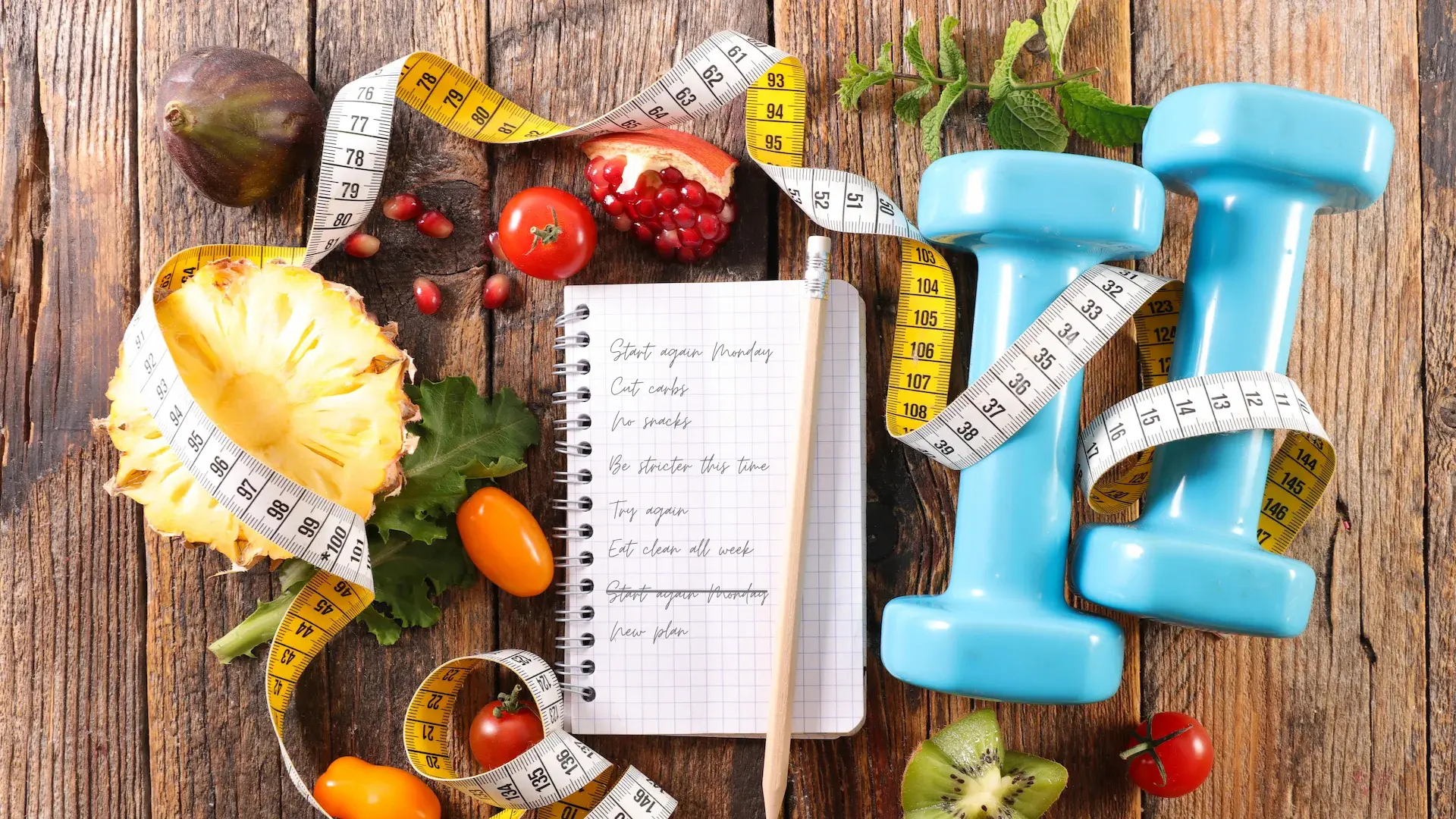
Most people focus on what they’re doing now. Few stop to consider how much their past diets are still shaping their decisions today.
You can change your meals, your routine, even your goals, yet still feel pulled back into familiar patterns without knowing why.
That influence often explains more than any current plan ever could.
The Hidden Baggage of Past Dieting
Every diet leaves something behind. Not just in results, but in how you eat without thinking about it.
Short, strict plans tend to train you into a rhythm. You follow clear rules for a while, then drift away from them once they become hard to maintain.
Over time, that stop-start pattern becomes familiar. Even when you try a more balanced approach, that underlying rhythm can still be there, shaping how you respond to structure and flexibility.
You’ve Practiced Extremes Without Realizing It
Many plans rely on tight rules.
You follow them closely, stay on track, and feel in control. Then one small change throws things off, and the whole day feels different.
That reaction doesn’t disappear when the plan ends. It carries forward, making small, normal decisions feel bigger than they are.
A more flexible approach can feel uncomfortable at first, not because it’s harder, but because it’s unfamiliar.
Still trying to figure out why progress feels inconsistent?
If eating less has worked before but doesn’t seem to now, there’s usually a reason behind it.
Small Habits From Old Diets Still Show Up
Some habits don’t feel like habits at all. They just feel normal.
Skipping meals, delaying eating, or saving food for later can happen without much thought. These patterns often come from previous plans that shaped how your day was structured.
You might not notice them unless you step back and look at your routine as a whole.
What feels natural now was often learned somewhere else.
Doing More Keeps You In The Same Loop
Trying harder won’t solve a pattern you keep repeating.
If the same approach has shown up in different forms over time, adding more effort usually just strengthens it.
A better starting point is noticing what keeps showing up.
Your Body Has Learned to Run on Less
After several dieting phases, your body gets better at managing with lower energy.
That adjustment is subtle, but it adds up over time.
The same approach that once led to quick changes may now feel slower. Not because it stopped working, but because your body has already adapted to similar conditions before.
This is why repeating old methods doesn’t always recreate old results.
Progress Feels Different Than It Used To
Your first successful attempt likely set a reference point.
You saw changes quickly, felt momentum, and knew what to expect.
That experience can shape how you judge progress now. When things move at a different pace, it can feel like something is off, even when you’re on the right track.
The context has changed, even if the effort feels similar.
Old Diet Rules Can Quietly Stick Around
You may not follow past rules anymore, but they can still influence your choices.
Certain foods might still feel off-limits. Some decisions may come with hesitation, even when they fit your goals.
These reactions don’t come from your current plan. They come from previous ones that left a strong impression.
Over time, those rules can blur into habits that feel automatic.
Everything You’ve Tried Is Still Part of This
This is where things start to make more sense.
Your current approach doesn’t exist in isolation. It’s layered on top of everything you’ve tried before.
Ignoring that history makes progress feel confusing.
This is where things start to make sense
If your results have slowed despite doing what used to work, it often comes back to how your body and habits have adapted over time.
Consistency Feels Less Natural Than It Should
You can stay consistent when things feel clear and structured.
But once that structure fades, it becomes easier to drift.
This pattern often comes from plans that were designed for short phases. They relied on strict guidelines rather than routines you could carry forward.
So when you try to take a more balanced approach, it can feel like something is missing, even when it’s more sustainable.
Your Expectations May Still Be Set in the Past
Early results tend to shape what you expect long term.
Fast progress, visible changes, and a clear sense of direction can become the standard in your mind.
But repeating the same setup doesn’t always lead to the same experience.
Your habits, your routine, and your starting point have all shifted since then. Adjusting your expectations can remove a lot of unnecessary pressure.
You Might Be Solving the Wrong Problem
When progress slows, the instinct is to change something quickly.
That often means tightening things up or adding more rules.
It feels productive, but it usually leads back to familiar territory.
Looking at patterns instead of reacting to short-term changes tends to be more useful. It helps you address what’s actually repeating, not just what’s happening in the moment.
Patterns Around Food Become Automatic
Some behaviors run in the background.
Eating while distracted, reaching for snacks at certain times, or finishing meals without noticing fullness can all become routine.
These patterns don’t require a decision each time. They’ve been repeated enough to feel automatic.
Changing them starts with noticing when they happen, not trying to control everything at once.

What Actually Helps You Move Forward
A different approach doesn’t mean doing more.
It means doing fewer things, more consistently.
Keeping meals simple, building repeatable routines, and paying attention to patterns can create steady progress without constant resets.
Small changes that fit into your day tend to last longer than big changes that rely on effort alone.
You Don’t Need Another Strict Plan
It’s easy to think the next plan will fix things.
But if it follows the same structure as the ones before, it will likely lead to similar results.
Stepping away from extremes can feel slower at first. Over time, it creates a more stable path forward.
What Your Past Diets Are Trying to Show You
Your past dieting experience holds more value than it seems at first glance.
Each attempt reveals where things started to feel difficult, what routines didn’t last, and which patterns kept repeating over time.
Looking at it this way gives you direction. You’re no longer guessing what might work, you’re using real insight from what you’ve already lived through.
Progress becomes easier to navigate when you build from that awareness instead of starting over again.
A smarter way to move forward
Once you understand why eating less stops working, it becomes much easier to build an approach that actually lasts.